
How Changing My Diet for Fitness Transformed My Mental Health

For most of my life, I considered myself highly active. I’ve trained consistently for over 15 years, cycling through endurance cardio, group fitness, HIIT, Pilates, and traditional resistance training. Like many people, I believed that achieving a lean, toned body required eating less and exercising more.
From a nutritional standpoint, my approach was flawed. My intake was dominated by quick carbohydrates, with minimal intentional protein. While this strategy sometimes resulted in short-term weight loss, it came at a significant cost: declining energy, poor mood regulation, impaired recovery, and worsening mental health.
The Hidden Cost of Chronic Undereating
Repeated cycles of calorie restriction combined with high training volume led to progressive physiological depletion. Over time, I experienced:
Persistent fatigue
Reduced workout recovery
Mood instability
Decreased motivation
Cognitive fog
As energy availability declined, so did my ability to sustain both restrictive eating and high-intensity training. Inevitably, this resulted in weight regain—reinforcing a frustrating and unsustainable cycle commonly seen in chronic under-fuelling states.
Breaking the Cycle: A Shift in Nutritional Strategy
Approximately one year ago, I intentionally changed my approach. Rather than prioritizing caloric restriction, I focused on adequate protein intake to support metabolic health, muscle recovery, and neurological function.
This shift produced an outcome I did not expect:
My mental resilience improved more than my physique.
While increased strength and muscle tone followed, they became secondary benefits. The most profound change was in how I felt cognitively and emotionally.
Why Protein Intake Matters for Mental Health
I now aim to consume approximately my target body weight in grams of protein per day, a range supported in the literature for active individuals to support lean mass, satiety, and recovery.
Protein plays a foundational role in mental health by supporting:
Neurotransmitter synthesis (e.g., serotonin, dopamine, norepinephrine)
Blood sugar stability
Stress hormone regulation
Muscle repair and nervous system recovery
Adequate protein intake is increasingly recognized as a key factor in both physical and psychological resilience, particularly in individuals exposed to chronic stress or high training demands.
Implementation: Practical and Sustainable
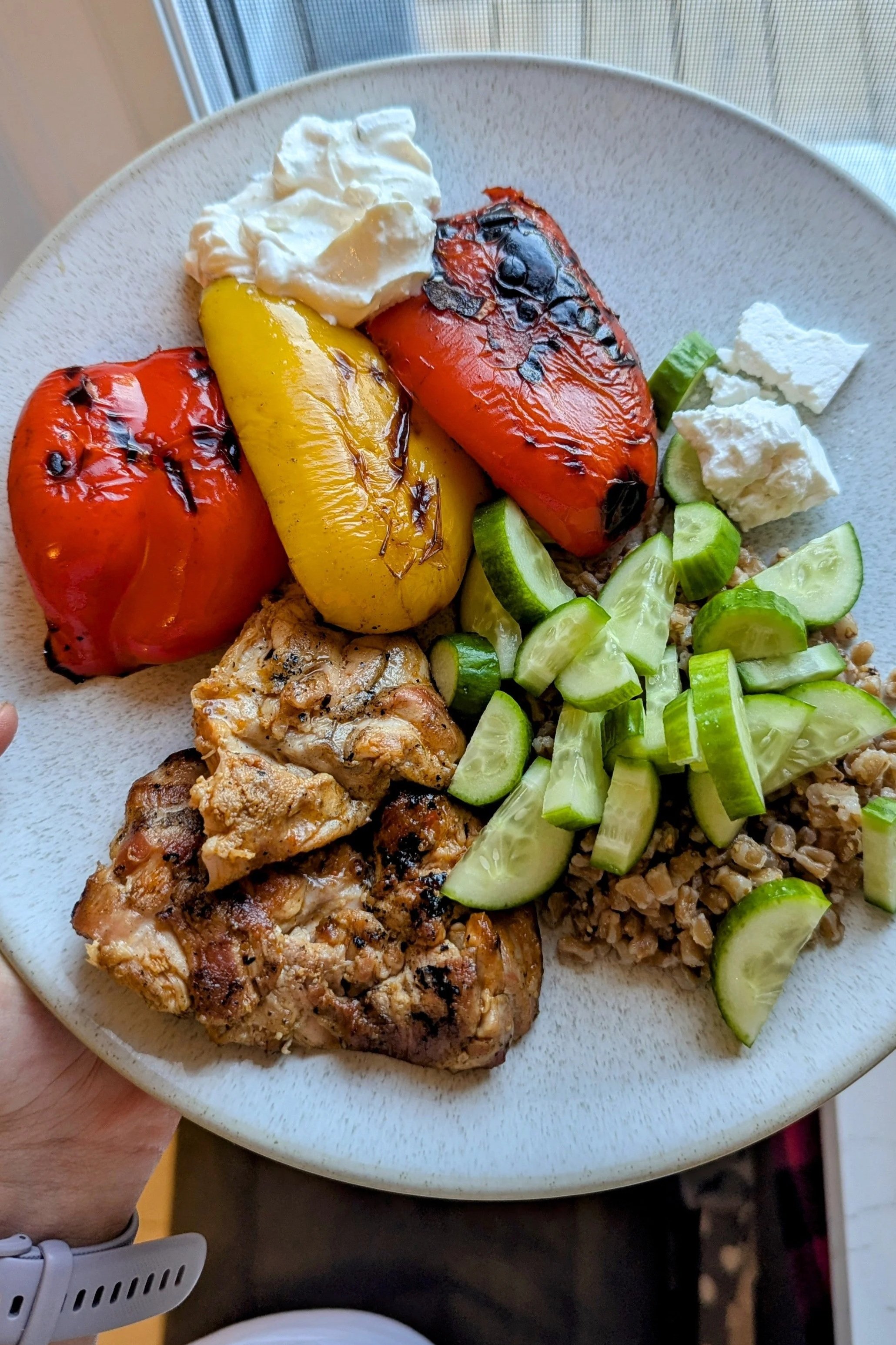
To implement this change, I initially tracked my food—not for restriction, but for awareness of baseline intake and portion sizes. Within one to two weeks, this allowed me to structure meals intuitively without ongoing tracking.
An important clinical consideration when increasing protein intake is adequate fibre consumption. Higher-protein diets can slow gastrointestinal motility if fibre intake is insufficient, potentially leading to constipation. Prioritizing fibre-rich vegetables, legumes, and whole foods alongside protein supported digestive function and overall tolerance.
The Protein–Fibre Connection and Cognitive Health
The combination of higher protein and adequate fibre supports mental health through multiple mechanisms, including:
Improved blood glucose regulation
Reduced inflammatory burden
Enhanced gut–brain signaling
More stable energy and mood
Together, these effects contribute to improved cognitive clarity, emotional regulation, and stress tolerance—outcomes that are often overlooked in traditional fitness-focused nutrition advice.
A Reframed Goal: Mental Strength First
What began as a physical goal ultimately revealed a deeper priority. Strength is not only muscular—it is neurological, emotional, and metabolic.
Today, consistent protein intake is not about aesthetics. It is about supporting mental clarity, resilience, and long-term health. The physical changes followed naturally once the body was adequately nourished.
Alexandra is a Certified Holistic Nutritionist specializing in mood, stress, cognitive health, and gut heath.

Let’s work together.
You can explore my 1:1 coaching services HERE, designed to support stress recovery, nervous system balance, digestion,and long-term wellbeing.
And if you’re craving deeper answers, I also offer specialized testing — including GI mapping and mineral analysis — so we can create a plan that’s tailored to your unique physiology.