
The Cheapest, Easiest Way to Lower the Toxic Load in Your Home
On average, people spend up to 90% of their time indoors. That means the quality of our indoor environment plays a major role in our overall health — often more than we realize. While we tend to focus on air purifiers, cleaning products, or water filters, one of the simplest and most overlooked ways to reduce toxic exposure costs nothing at all:
Take your shoes off at the door.
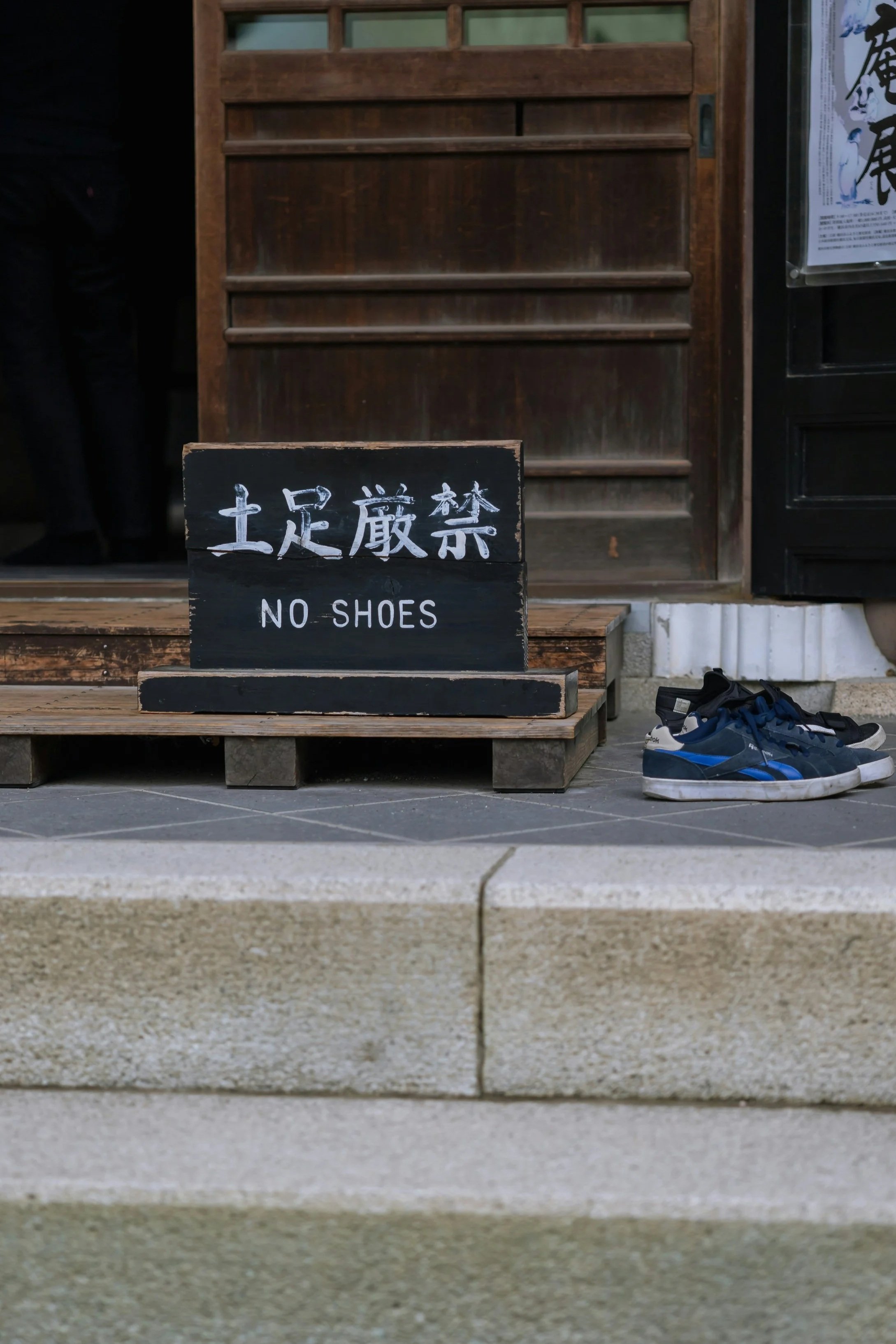
In many cultures, wearing shoes inside the home is the norm. It feels harmless — even convenient. But research suggests that the bottoms of our shoes may be carrying far more into our living spaces than just dirt.
What’s Really on the Bottom of Your Shoes?
Researchers examining household shoe soles have found that shoes act as efficient carriers for contaminants that are invisible to the naked eye. Even shoes that look clean can introduce microbes, allergens, and chemicals into the home.
1. Illness-Causing Bacteria
Multiple studies have identified potentially harmful bacteria on shoe soles, including fecal bacteria and harmful infectious bacteria that are resistant to antibiotics.
These organisms can survive on indoor surfaces for extended periods, increasing the risk of exposure — particularly for children, pets, and immunocompromised individuals.
2. Allergens That Worsen Seasonal Symptoms
Shoes easily pick up tree, grass, and weed pollen outdoors. When worn inside, these allergens are deposited onto floors and carpets, where they can remain suspended in indoor dust.
If you struggle with seasonal allergies — or have invested in an expensive air purifier — wearing outdoor shoes inside may be undermining your efforts. Reducing allergen entry at the source is far more effective than trying to filter it out later.
3. Hazardous Chemicals You Didn’t Choose
Even if you don’t personally use pesticides or lawn chemicals, chances are you’ve walked through areas that do. Studies have shown that shoe soles can track in:
Pesticides and herbicides
Insecticides
Heavy metals like lead
Many of these compounds are known endocrine disruptors or neurotoxicants. Chronic low-level exposure contributes to systemic inflammation, increased detoxification burden, and a higher long-term risk of chronic disease. Any chemical that doesn’t belong in the body forces your detox pathways to work harder — energy that could be better spent elsewhere.
Why This Matters for Brain and Nervous System Health
The brain is particularly sensitive to inflammatory and toxic insults. Repeated exposure to environmental toxins has been linked to increased oxidative stress, impaired cognitive function, and neuroinflammation. While no single habit determines health outcomes, reducing daily exposures — especially those that are easy to control — can meaningfully lower cumulative risk over time.
Is There a Downside to a No-Shoes Home?
Realistically, the downsides are minimal:
A brief inconvenience
A small habit change
That’s it.
In contrast, the potential benefits include lower exposure to pathogens, allergens, and chemicals — and less work for your immune system and detox pathways.
The Bottom Line
Taking your shoes off at the door is one of the lowest-effort, highest-impact habits you can adopt for a healthier home. It costs nothing, requires no special equipment, and immediately reduces what you’re bringing into the space where you eat, sleep, and restore.
So let me ask you this:
If removing your shoes can save your body from fighting unnecessary toxins and microbes every day — why wouldn’t you?
Sometimes the most powerful health upgrades are also the simplest.
Alexandra is a Certified Holistic Nutritionist specializing in mood, stress, cognitive health, and gut heath.

Let’s work together.
You can explore my 1:1 coaching services HERE, designed to support stress recovery, nervous system balance, digestion,and long-term wellbeing.
And if you’re craving deeper answers, I also offer specialized testing — including GI mapping and mineral analysis — so we can create a plan that’s tailored to your unique physiology.